
Guide
How Is Mortgage Affordability Calculated in the UK?
How UK lenders work out what you can borrow: income multiples, outgoings, the stress test and worked examples, plus how to check your offer is sensible.
24 October 2026
Expert analysis, market insights, and practical guides for smarter property decisions in the UK.

Flats are listed 13.2% above sold prices and take 339 days to sell on average.

Homes are listed 9.4% above sold prices, with detached homes £56,000 above.

The widest overall gap of Bournemouth, Southampton and Portsmouth at 9.6%, but terraced homes are listed below sold prices.

Average asking prices of £505,756 versus £403,449 sold: what the headline gap really means for buyers.

Average asking prices of £412,766 versus £350,161 sold, with asking price reductions averaging 1.9%.

Average asking prices of £344,360 versus £281,197 sold: the real gap and how much you can negotiate.
How UK lenders work out what you can borrow: income multiples, outgoings, the stress test and worked examples, plus how to check your offer is sensible.

Find out if a home is in a conservation area, what the designation restricts, and how to check before you offer, using council maps, searches and Article 4 rules.

HMO or single let? Compare yields, licensing, running costs, tenant turnover and planning rules in England and Wales, so you can choose the right buy-to-let.

How clay soil causes subsidence in UK homes, where the risk is highest, the cracks that matter, and what to check before you make an offer on a property.

Learn 5 data-backed steps to negotiate house price effectively in 2026. Save thousands with proven strategies for first-time buyers and property investors.

Follow this step-by-step home buying workflow to avoid costly mistakes, prepare your finances, and verify a successful purchase with data-backed decisions.

Learn what property market trends really mean in 2026 and how to use data on prices, inventory, and buyer demographics to make smarter, more confident buying decisions.

A 10% below-asking offer is not insulting if you can back it up with evidence. Here's when it works, when it backfires, and how to word it so the seller takes it seriously.

Most UK buyers ask how much lower they can go. The honest answer depends on the local market, the property and your position. Here's a simple way to work out your number.

A 15% below-asking offer is a big ask, but there are situations where it's completely justified. Here's how to tell if yours is one of them.
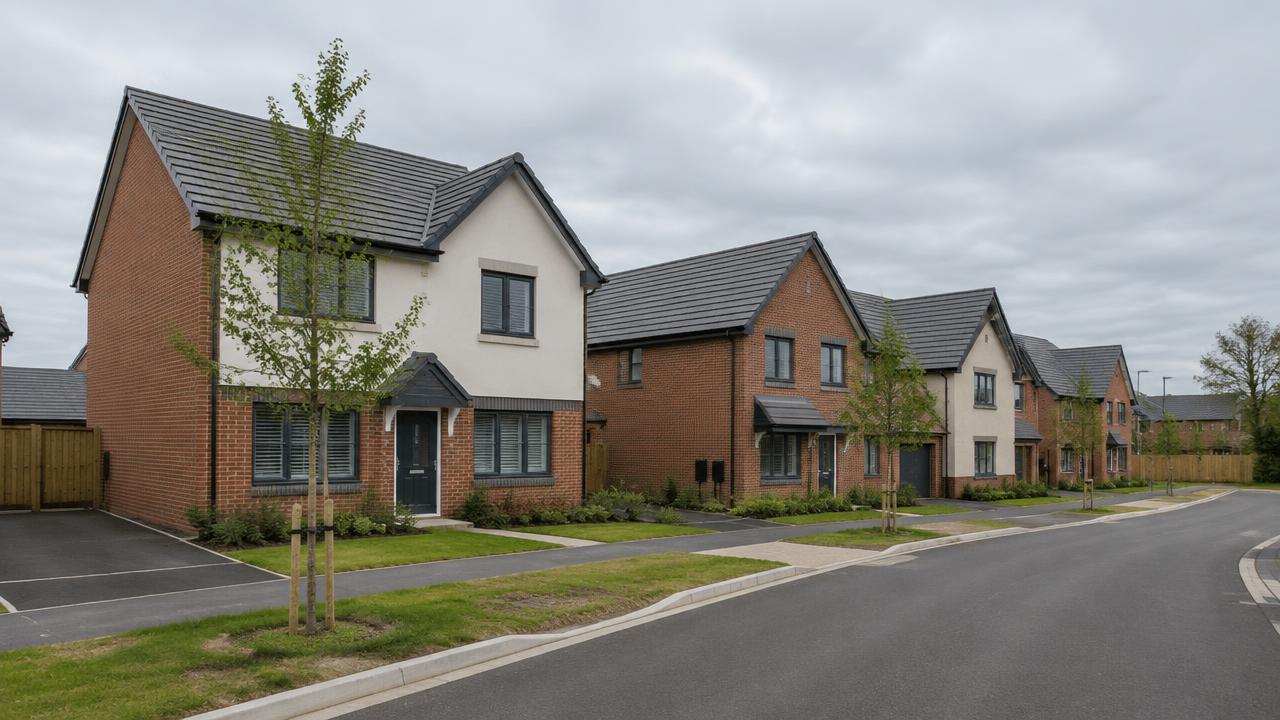
OIRO means 'offers in the region of'. It's a signal the seller will consider offers around that figure, but it isn't the property's value. Here's how to decide what to offer.

The way you present a below-asking offer matters as much as the number. Copy this proven email structure and adapt it to your property.
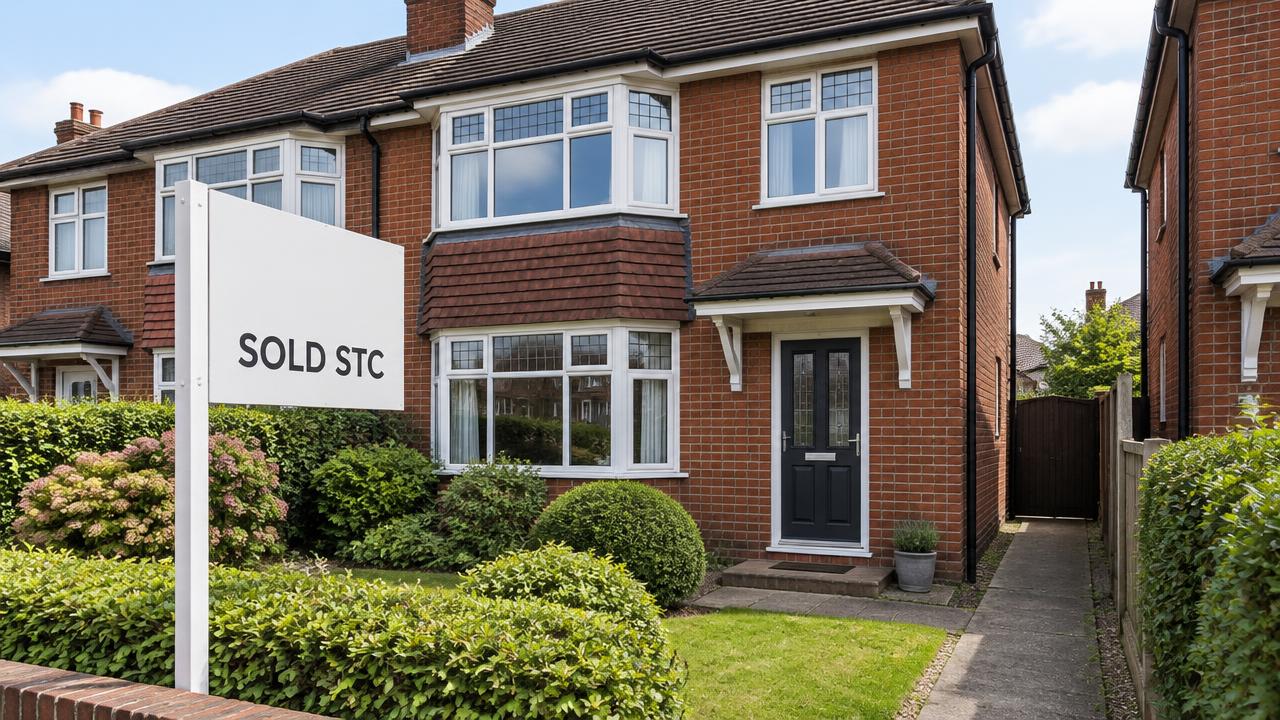
Sold STC means an offer has been accepted but nothing is legally binding yet. Here's what it means for you as a buyer, and how to put in an offer if you still want the property.
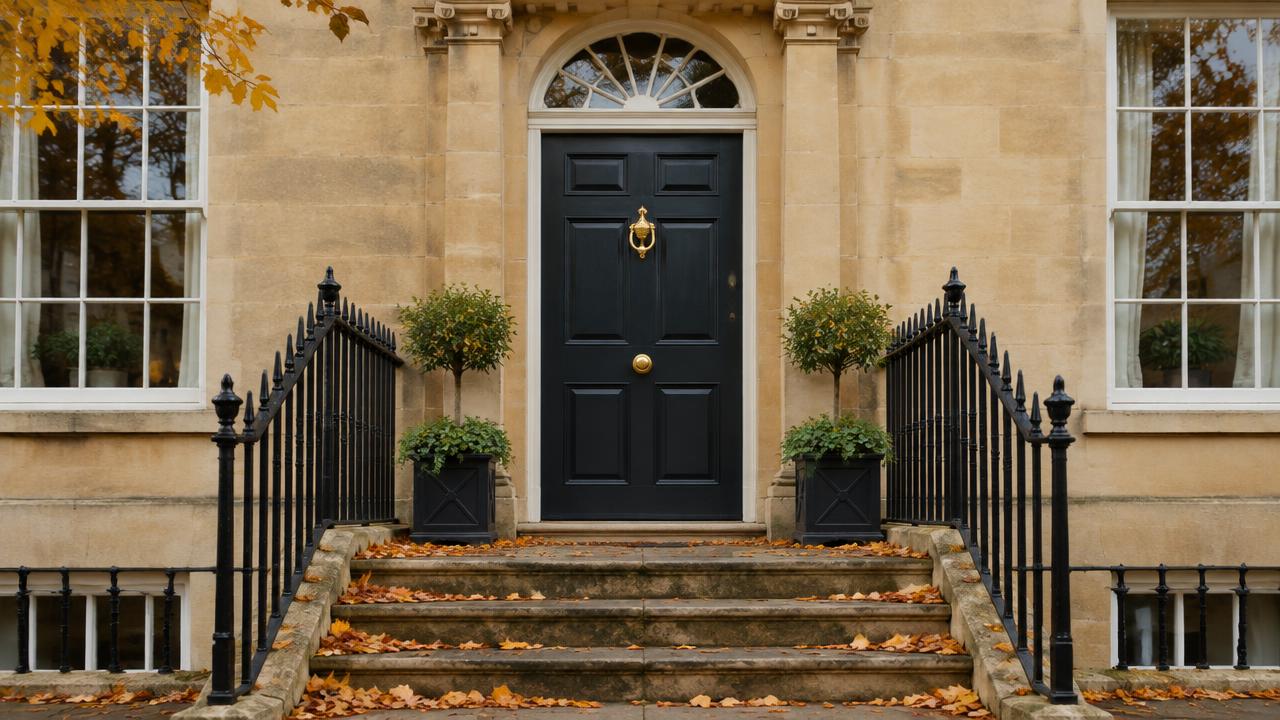
Under offer means the seller has accepted an offer, but the property may still be available. Here's what it tells you, how it differs from Sold STC, and what you can do.

Gazumping is when a seller accepts a higher offer after already agreeing a sale with you. It's legal in England and Wales. Here's how it happens and the practical steps that reduce your risk.

When an agent asks for 'best and final offers', you usually get one chance. Here's how the process works, what sellers really look at, and how to decide your number.
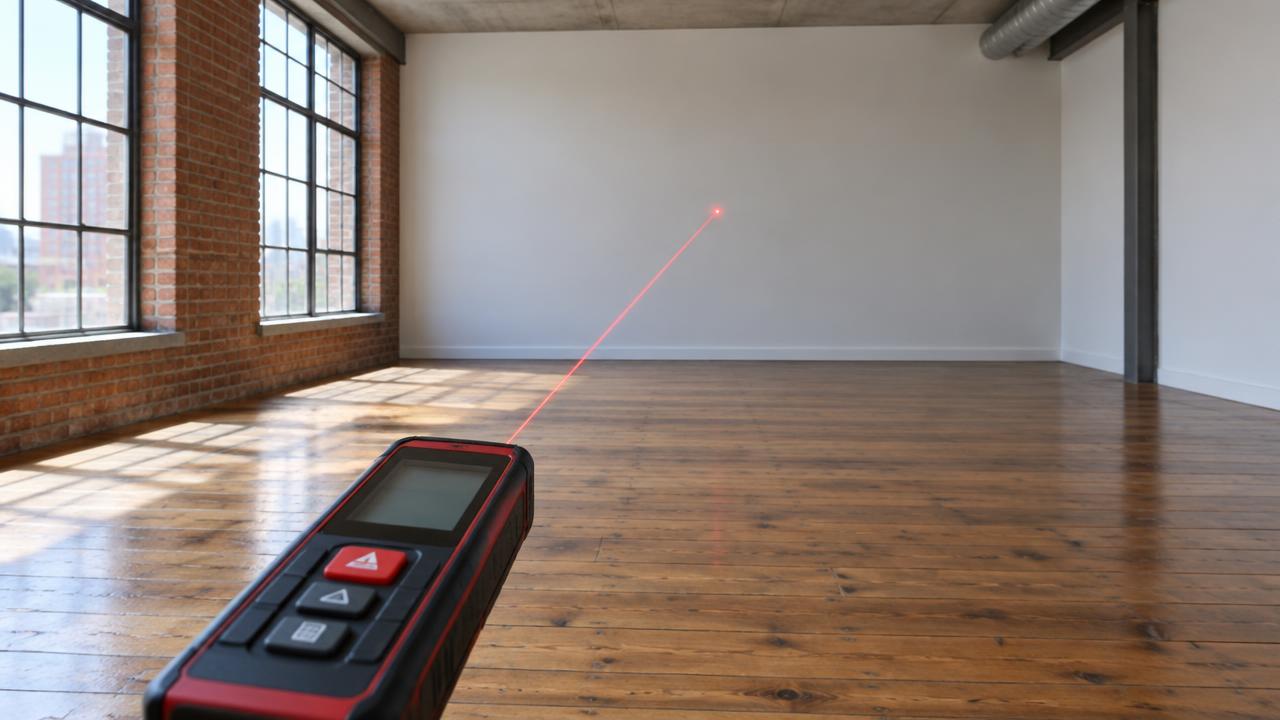
Price per square foot is one of the simplest ways to compare homes of different sizes. Here's how to calculate it, where to find floor areas, and the mistakes that skew the numbers.
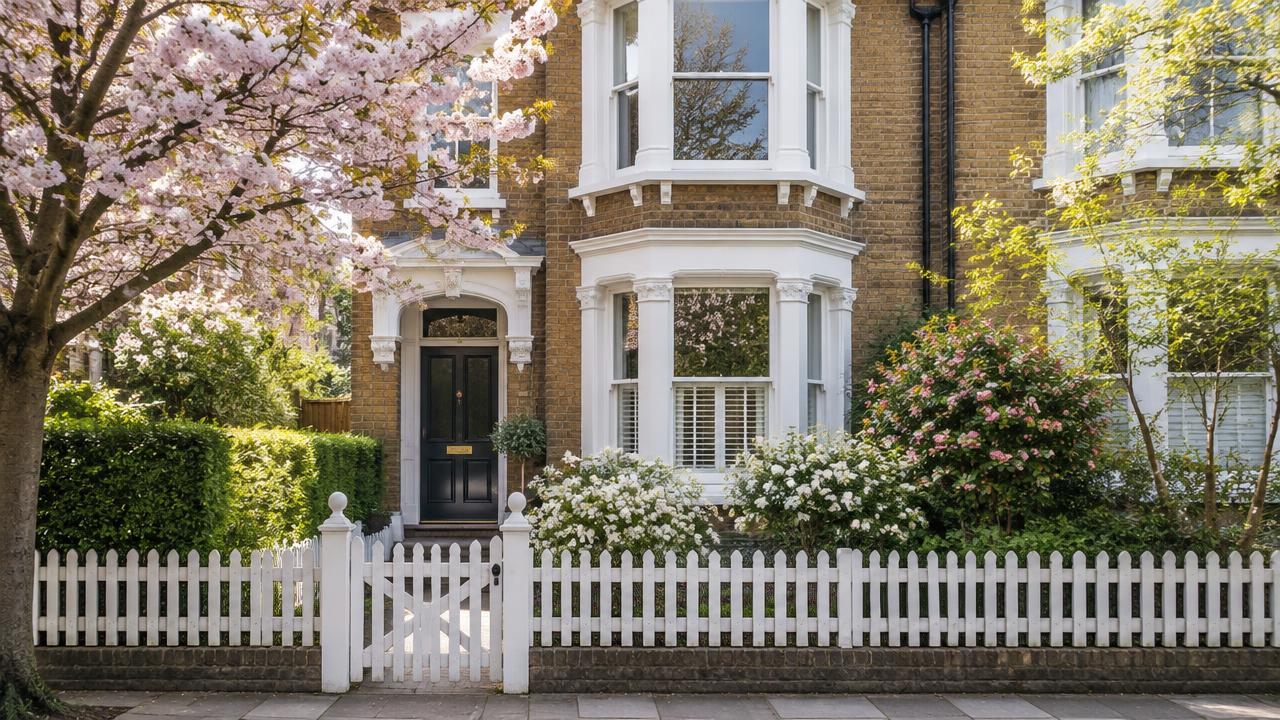
A guide price is an indication of what a seller hopes to achieve, not a guarantee of value or what they'll accept. Check comparable sales, condition and demand before deciding what to offer.

Make your offer through the estate agent, state your figure clearly, confirm your buying position, and back it with comparable sold evidence — here's a step-by-step approach with a template.

Offering above asking can be reasonable when comparable evidence, genuine competition and affordability line up — but not simply because an agent says there's interest. Here's how to set your limit.
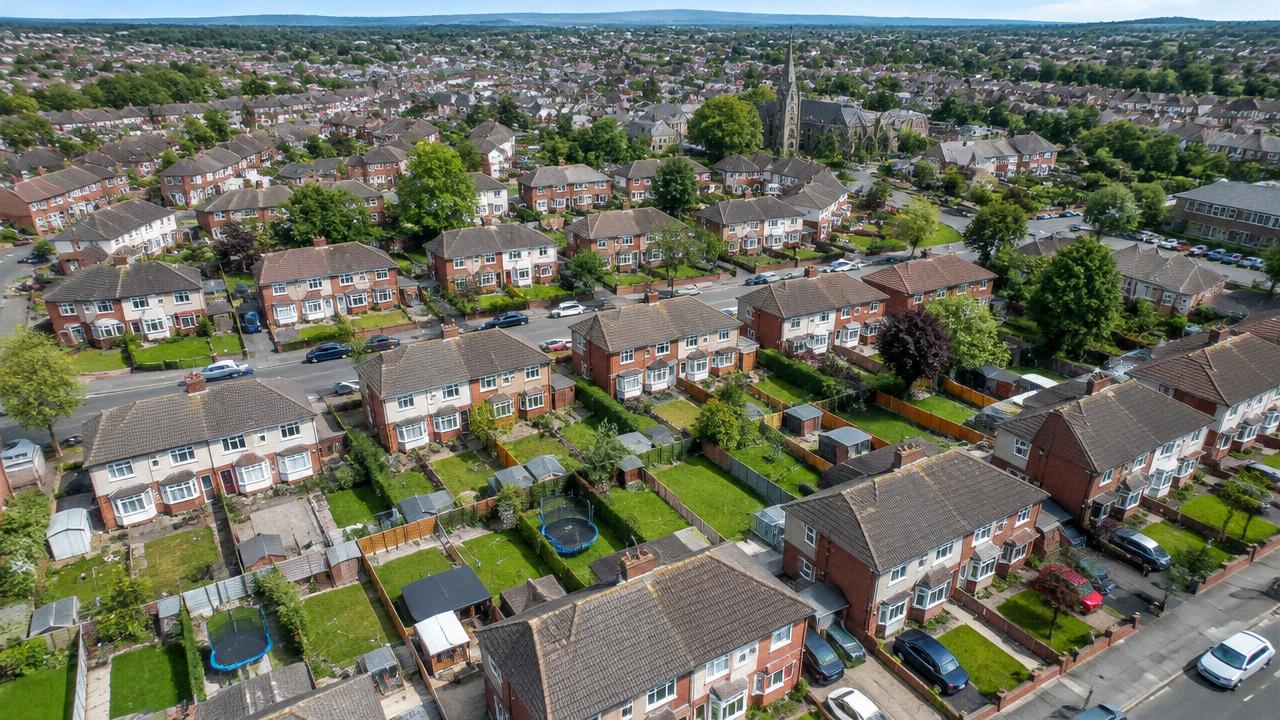
The best comparable sales are recent completed transactions that closely match a property by location, type, floor area, condition and tenure — here's how to find and weigh them.
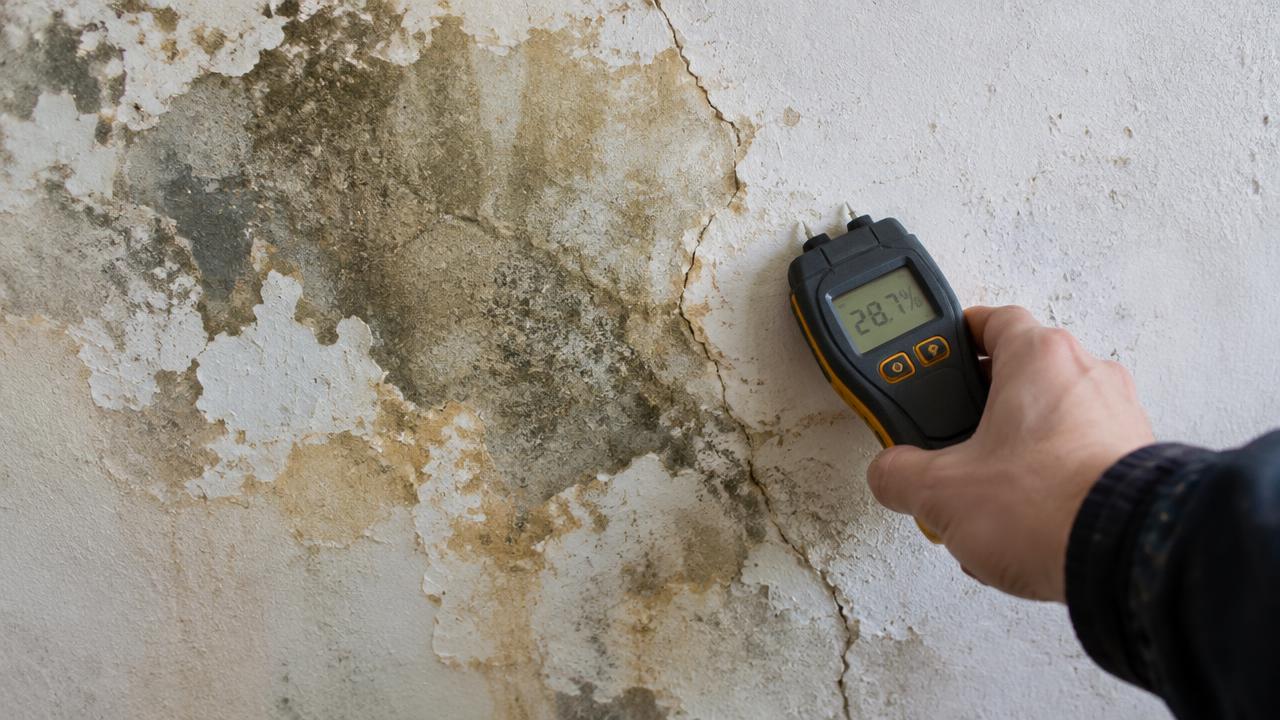
If a survey uncovers a material issue you couldn't reasonably have known about, gather evidence, decide your acceptable outcome and present a proportionate, evidence-based proposal to the seller.
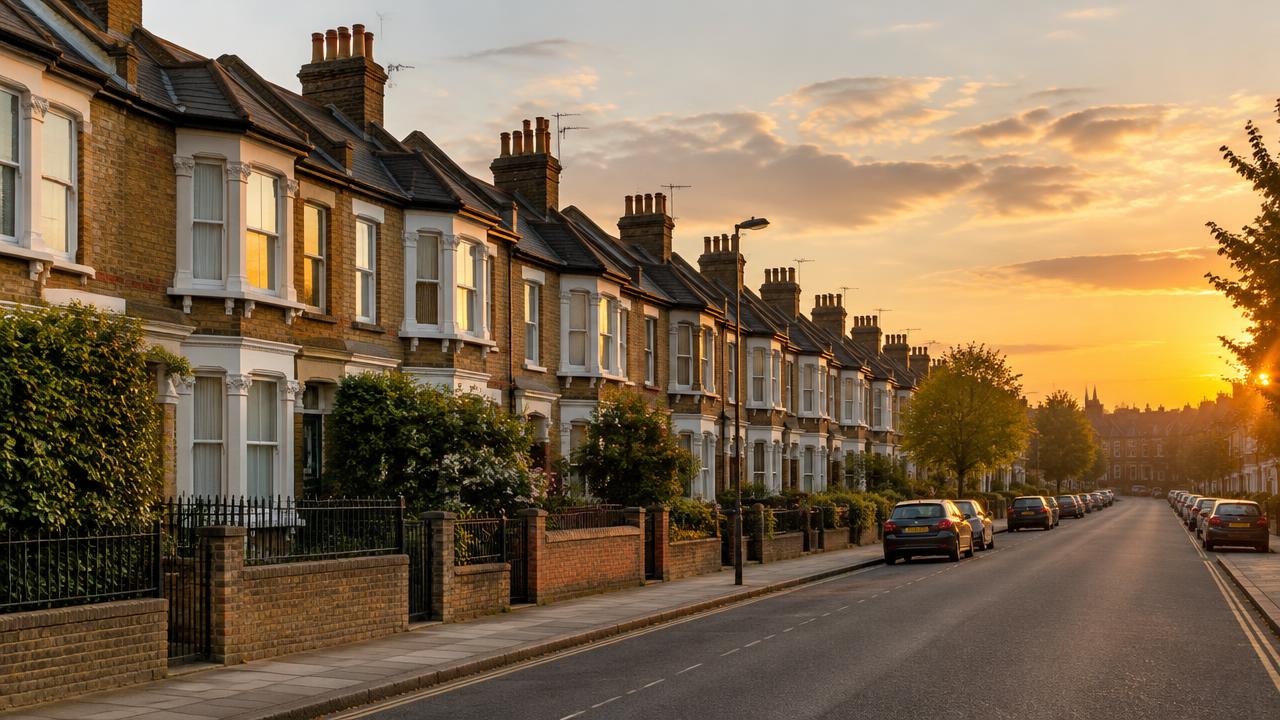
HM Land Registry records the price of every residential sale in England and Wales. Here's how to look up sold prices for a street or postcode, and how to read them correctly.
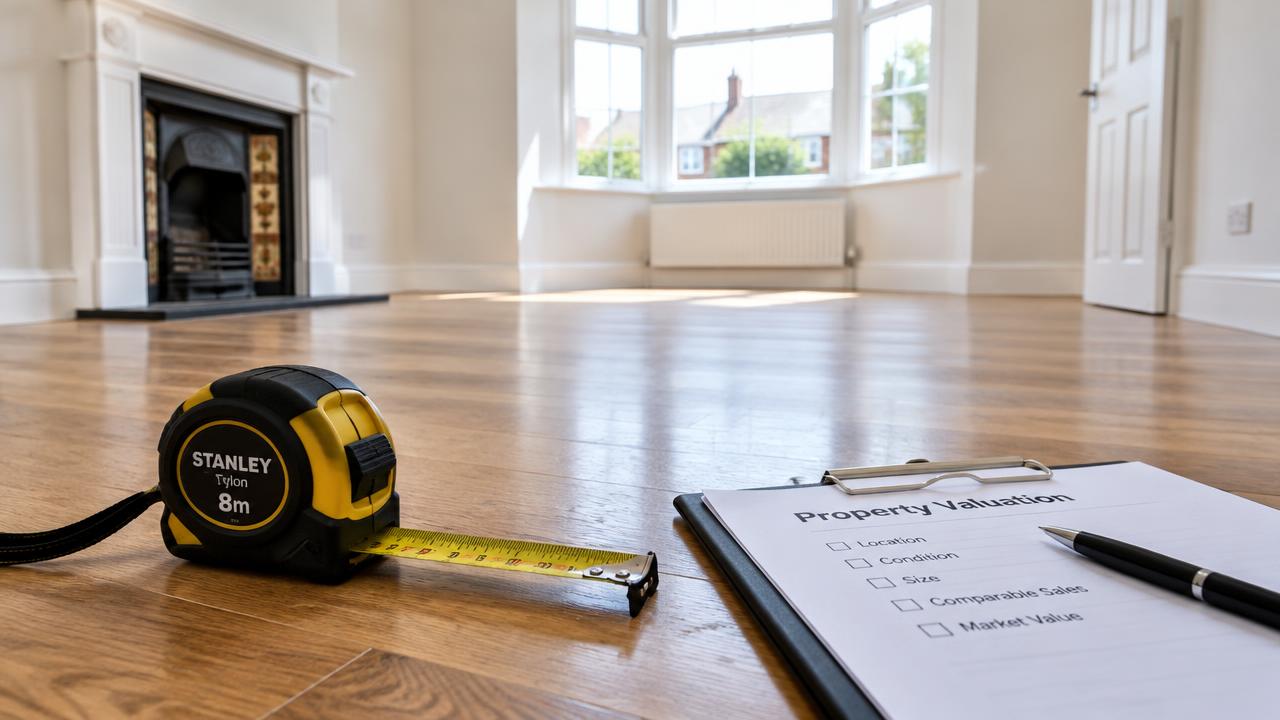
Asking price, sold price and estimated market value are three different things. Here's what a house valuation can and cannot tell you, and how the estimates are produced.
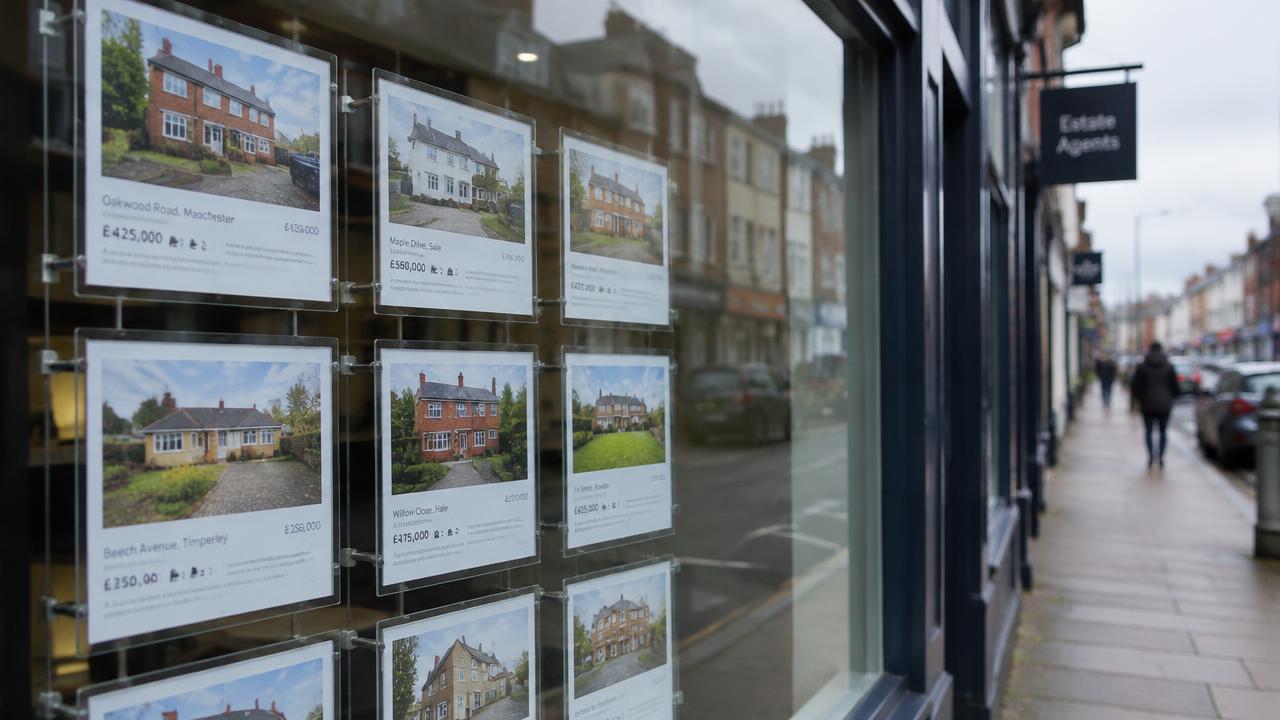
Compare the asking price with sold evidence, check the listing's price history for reductions, and read the signals that a home is priced above what the market will pay.

Flood maps and noise signals can flag problems a viewing will never reveal. Here's what the official data shows, what it can't, and how to use it before you make an offer.
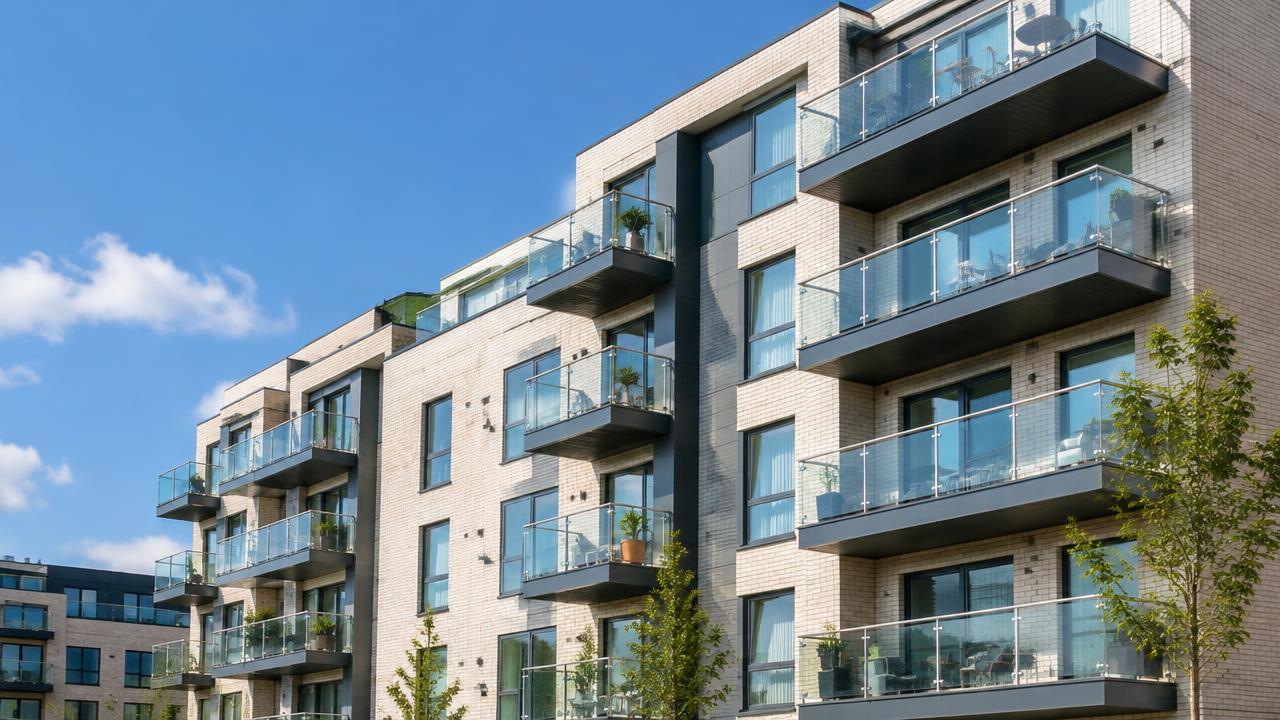
Flats and many new-build houses are leasehold. Here's what you'll actually pay each year, what a lease extension involves, and how to check a lease before you offer.
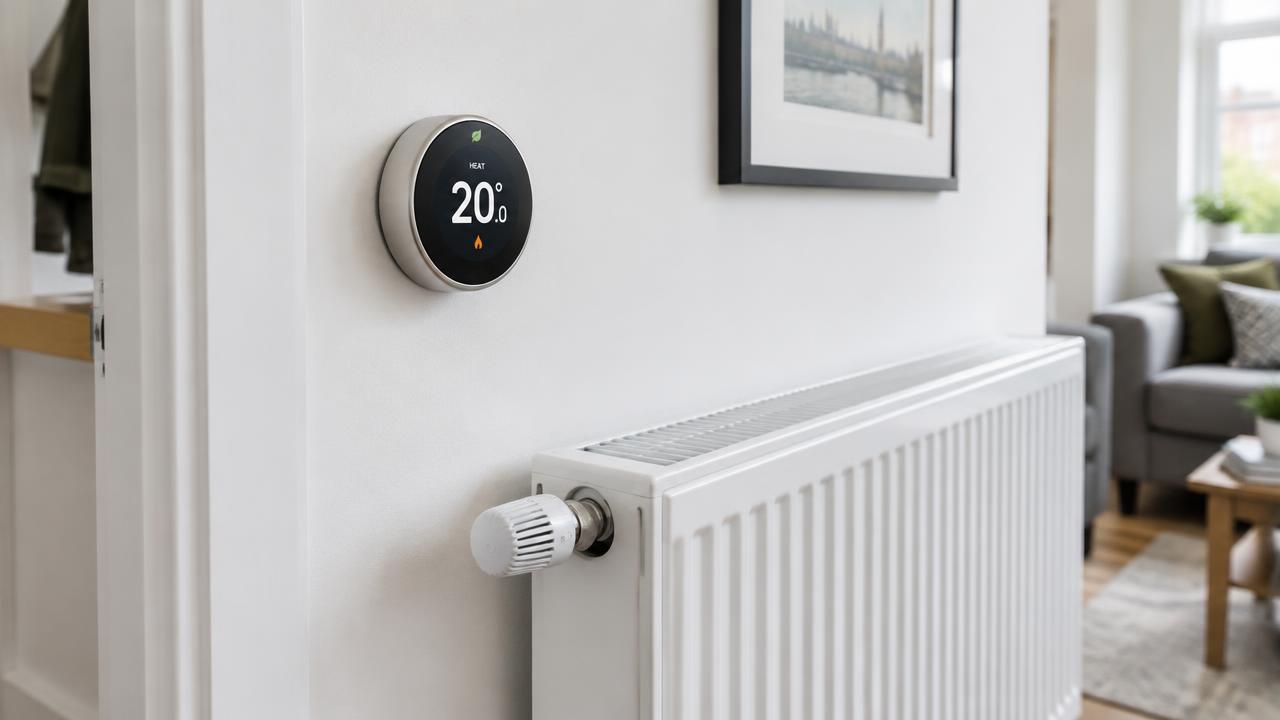
Every home sold or let in England and Wales needs an EPC. Here's how to find a property's certificate, what the ratings and floor area mean, and what to do if there isn't one.
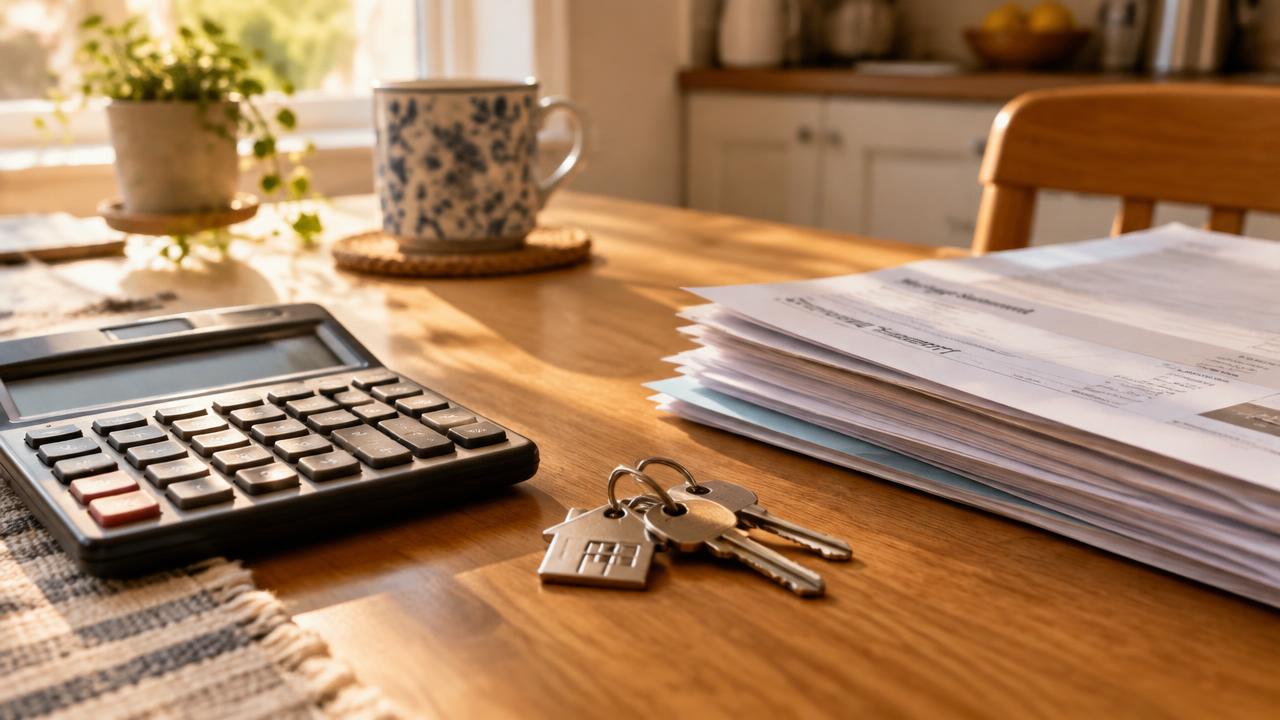
Deposit, stamp duty, legal fees, surveys, mortgage fees, moving costs — and the monthly bills that follow. Here's the full picture of what a UK house purchase really costs.
Estate agents use comparable sales, price per square foot, and local market data to set asking prices. Here's how their valuation process works — and how buyers can verify it independently.
Many buyers focus on kerb appeal and asking price. Experienced buyers dig deeper — analysing market data, hidden costs, and negotiation signals before they ever make an offer.

Deciding how much to offer on a house is one of the biggest financial decisions you'll make. This guide breaks down the key factors — from comparable sold prices to local market conditions — so you can make a confident, data-backed offer.

Overpaying for a property is one of the most common and costly mistakes buyers make. Here's how to spot overpriced listings, verify asking prices, and protect yourself from paying more than a property is worth.
The best property offers are grounded in local data — not guesswork. Learn how to use sold prices, price per square foot, and area-level market trends to calculate a fair and competitive offer.
There is no universal percentage. How far below asking you can sensibly offer depends on sold evidence, time on market, reductions, condition and local demand.

Calculating a property offer shouldn't be guesswork. This guide shows you the step-by-step method used by experienced buyers to arrive at a fair, data-driven offer price.